Academic writing, research design, and the development of independent scholarship.
Solomiia Beska
Legal Researcher, PhD Candidate, and Research Affiliate Democracy Institute, Central European University
This spring, Open Dialogue Platform hosted the intensive webinar course Finding Your Scholarly Voice: Writing Research Projects in Chicago Manual of Style, bringing together students and young researchers interested in academic writing, research methodology, and the development of independent scholarly projects.
The course was designed not only as a technical introduction to academic writing, citation, and proposal structure, but also as a broader intellectual space for learning how research ideas become arguments. Within the traditions of international academic education and the methodological environment of Central European University, participants explored how scholarly voice is formed through research design, methodological rigor, and critical engagement with existing debates.
Across three intensive sessions, the program addressed the architecture of research proposals, qualitative and mixed methodologies, and the practical application of the Chicago Manual of Style author-date system. Particular attention was devoted to the relationship between writing and thinking — the idea that academic writing does not simply communicate knowledge, but actively shapes and produces it.
“Academic writing does not merely communicate knowledge — it actively shapes and produces it.”
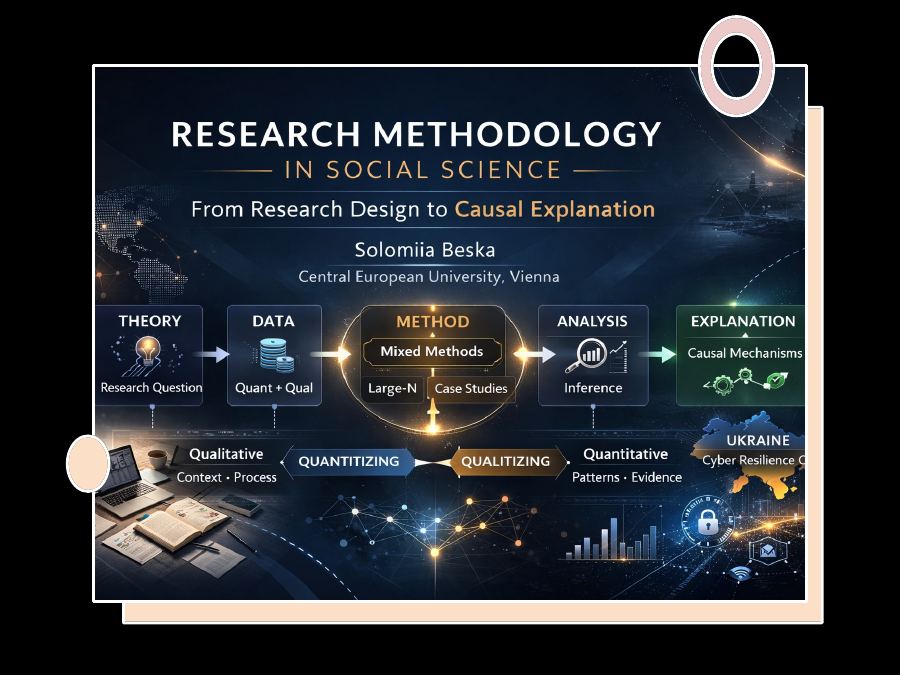
One of the central themes of the course was the understanding of research design not as a simple list of methods, but as an integrated intellectual architecture connecting research questions, theory, data, methods, interpretation, and contribution.
Participants worked with the logic of transforming broad ideas into research puzzles, and then into clear analytical research questions. The course emphasized that strong projects usually begin with an explanatory tension: a gap between theoretical expectations and empirical reality.
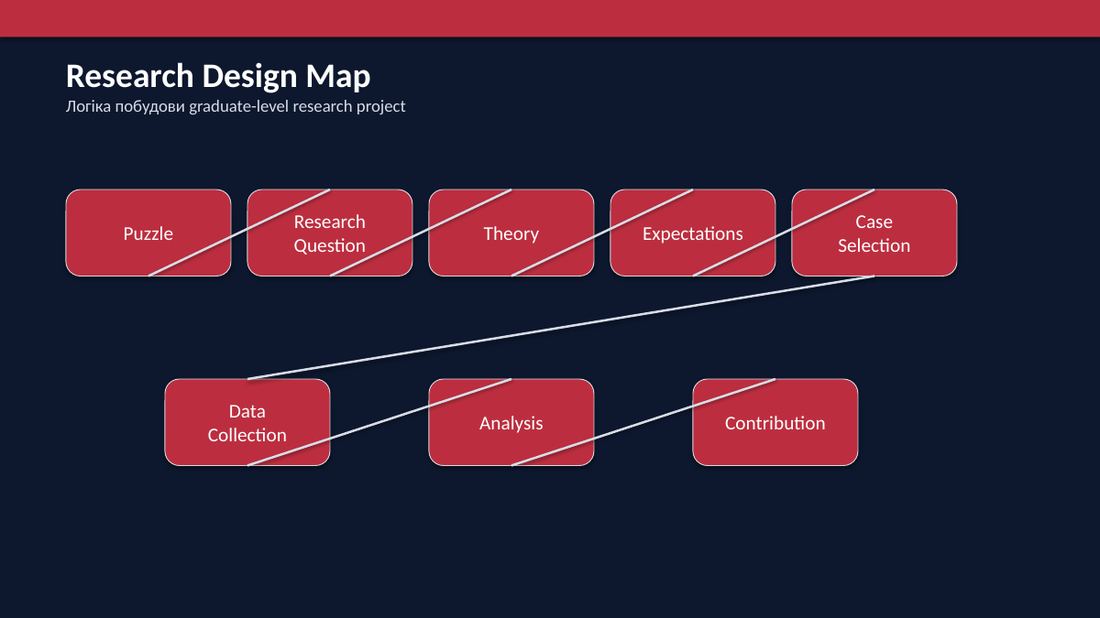
The course introduced the research puzzle as the intellectual starting point of a strong academic project. A puzzle is not simply a topic; it is an analytical tension that makes the project necessary. Students discussed how to identify what is unexpected in a phenomenon, where existing theories fail to explain empirical developments, and how this gap can be translated into a research question.
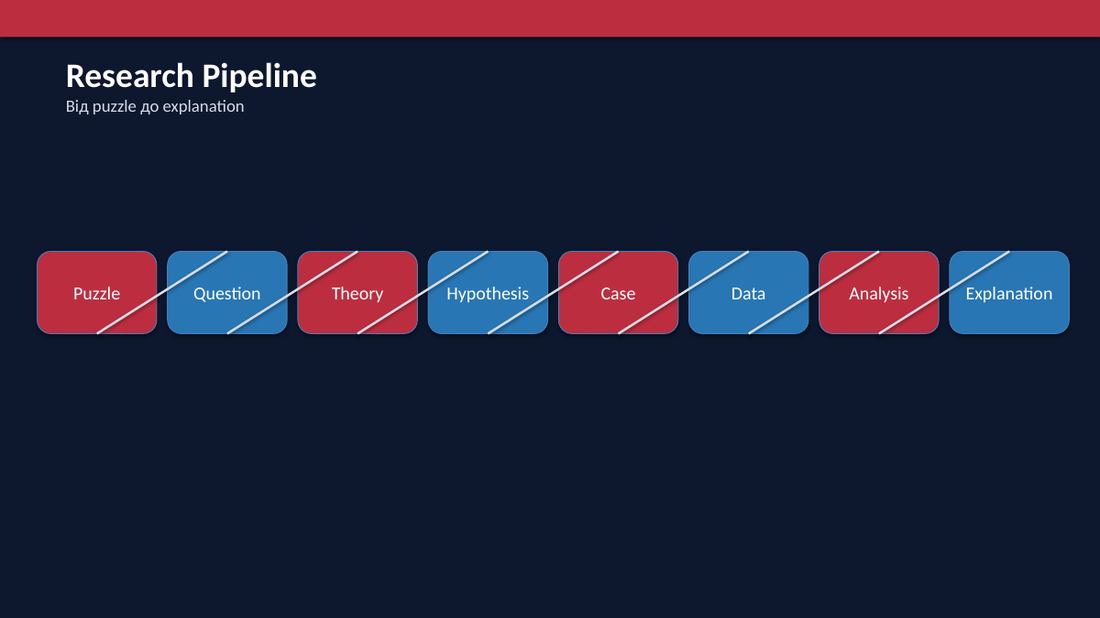
A strong research question does not simply repeat a topic. It transforms a puzzle into an analytical task.
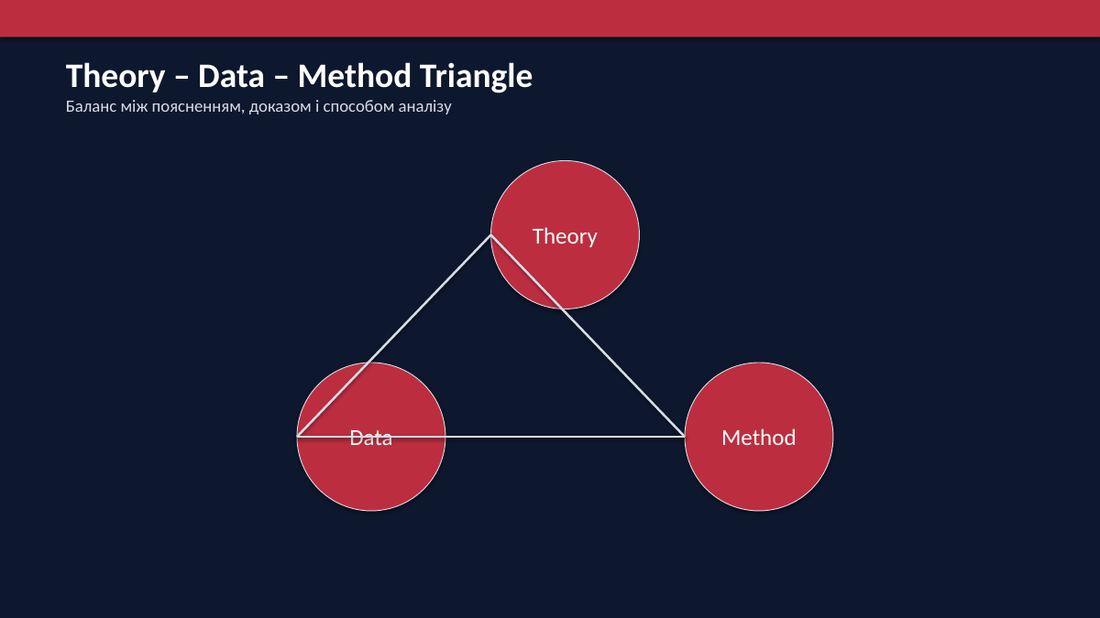
A major part of the course focused on the relationship between theory, empirical material, and methodology. Participants explored why methodology cannot be reduced to technical procedures alone. It determines what counts as evidence, how arguments are validated, and how conclusions are constructed.
Drawing on Joseph Maxwell’s understanding of research design as an integrated system, the course emphasized that research questions, conceptual frameworks, methods, and validity must remain logically connected. A weak alignment between theory, data, and method usually produces descriptive rather than explanatory research.
The final methodological block concentrated on mixed methods research, causal inference, and the logic of scientific explanation. Participants discussed how different approaches reveal different forms of causality: statistical relations, processual mechanisms, and counterfactual reasoning.
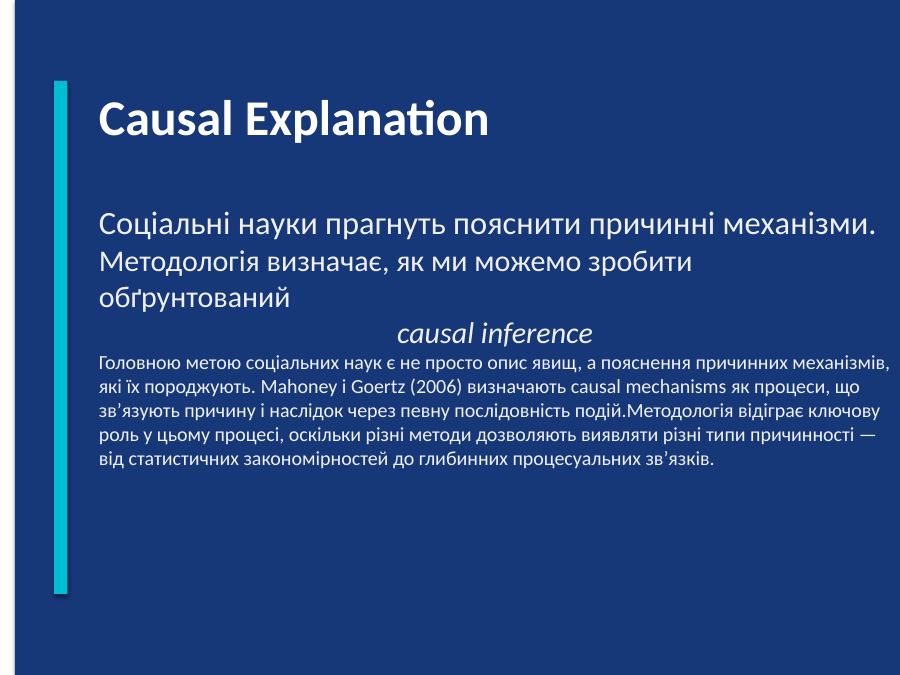
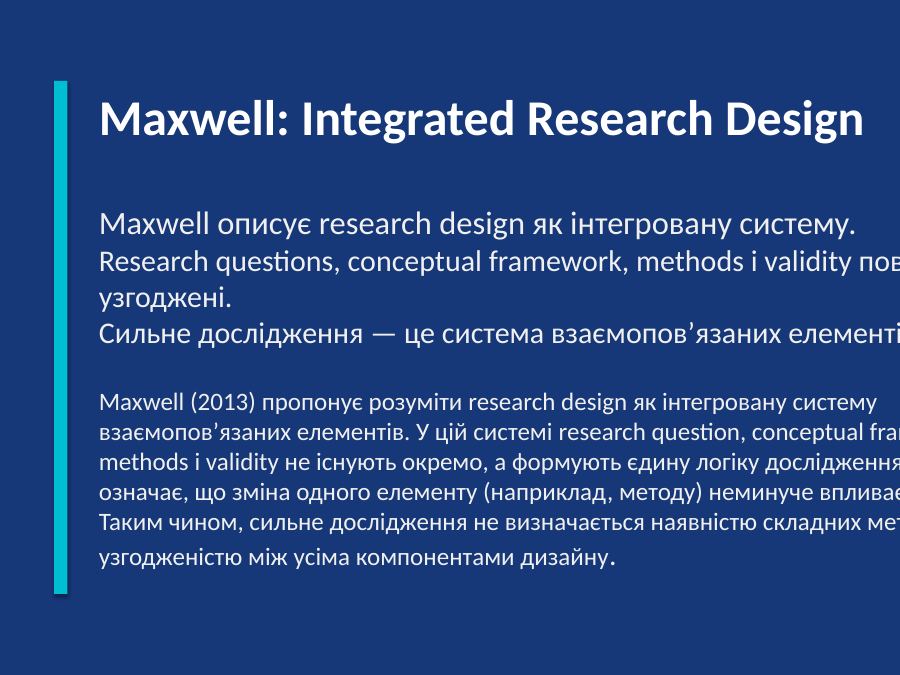
Participants explored how qualitative and quantitative approaches can be combined to explain complex political and social processes. The course addressed triangulation, complementarity, expansion, nested analysis, and the practical integration of different methodological tools within a single research project.
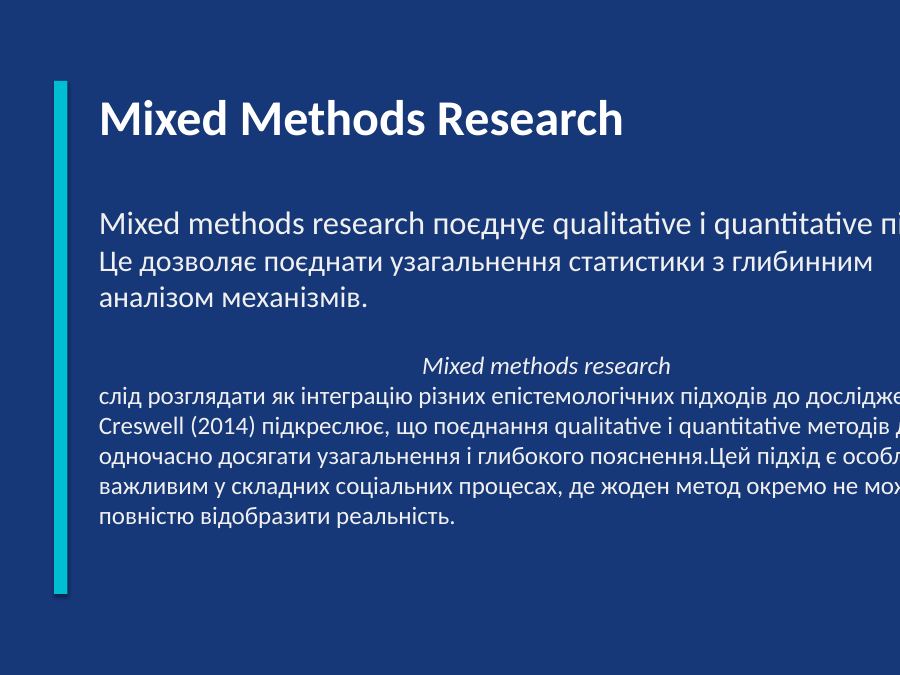
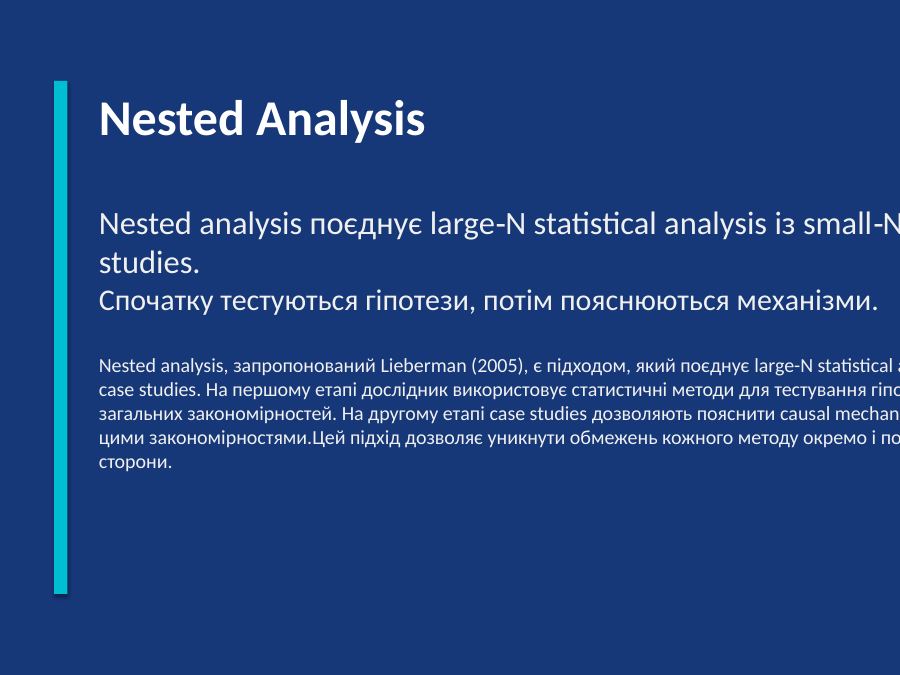
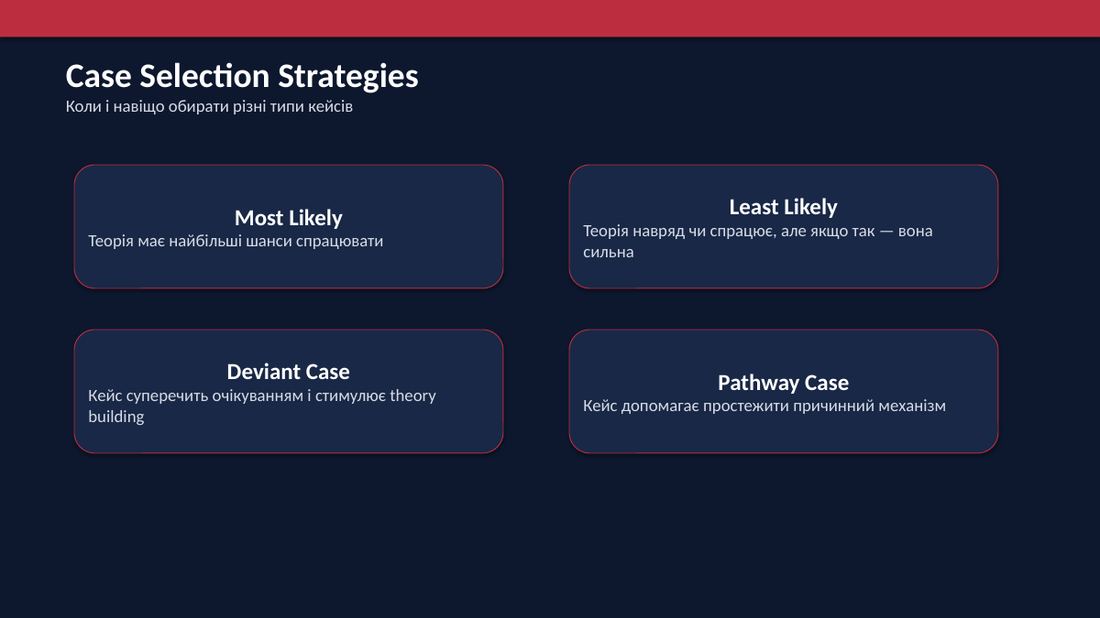
Case selection was presented as one of the most important decisions in qualitative research. The course emphasized that a case does not merely illustrate an argument; it determines which mechanisms can be observed and what kind of inference the researcher can make.
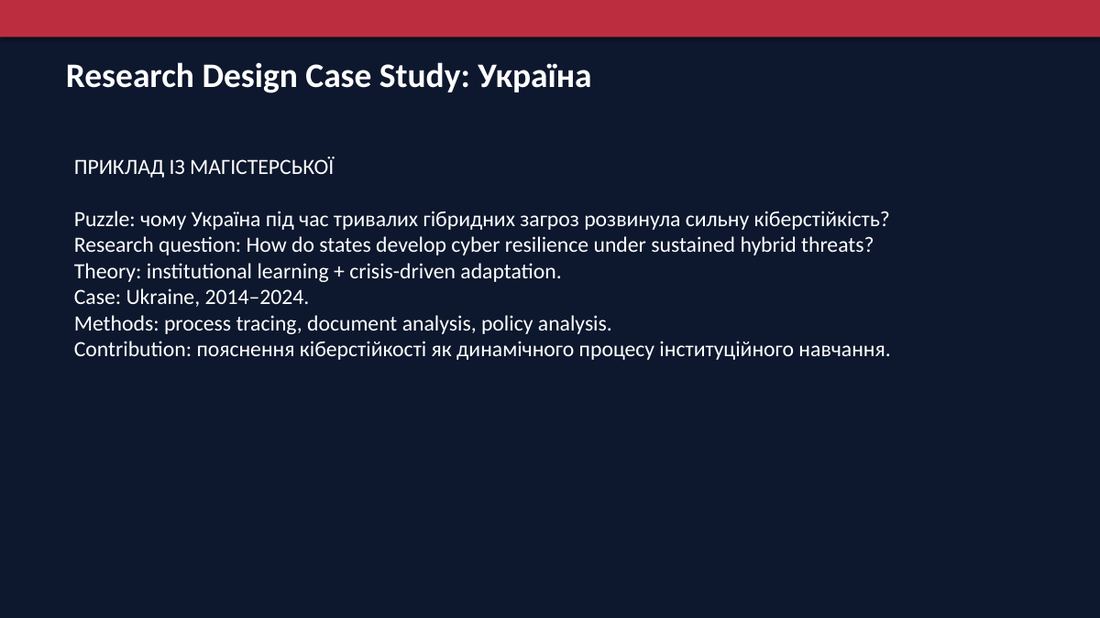
Special attention was devoted to pathway cases and process tracing as tools for identifying causal mechanisms in political and institutional development. Participants also discussed the example of Ukraine’s cyber resilience as a case through which sustained hybrid threats can be studied as drivers of institutional learning and strategic adaptation.
One of the central ideas of the webinar series was that academic writing should not be understood as inaccessible or purely formalized practice. Instead, the course emphasized scholarship as a form of public intellectual engagement grounded in critical thinking, methodological rigor, and openness to dialogue.
The webinar series created space for reflection on contemporary academic challenges faced by young researchers, including academic insecurity, writing anxiety, interdisciplinary pressures, and the growing demand for policy-oriented expertise in an increasingly geopolitical and technologically complex environment.

Key Analytical Insight
Strong research design is not a technical formality. It is the intellectual architecture through which arguments become analytically convincing, methodologically coherent, and empirically meaningful.
The webinar series demonstrated that academic writing and research methodology are deeply interconnected processes. Strong scholarship requires not only technical knowledge of citation systems or research procedures, but also the ability to formulate puzzles, construct analytical arguments, and critically engage with theory and empirical evidence.
By combining methodological training with practical writing exercises and interactive discussion, the course aimed to support participants in transforming research ideas into structured and analytically coherent projects while developing confidence in their own scholarly voices.
Creswell, John W. Research Design: Qualitative, Quantitative, and Mixed Methods Approaches.
Gerring, John. Case Study Research: Principles and Practices.
King, Gary, Robert Keohane, and Sidney Verba. Designing Social Inquiry.
Lieberman, Evan S. “Nested Analysis as a Mixed-Method Strategy.”
Mahoney, James, and Gary Goertz. “A Tale of Two Cultures.”
Maxwell, Joseph A. Qualitative Research Design.

.svg)