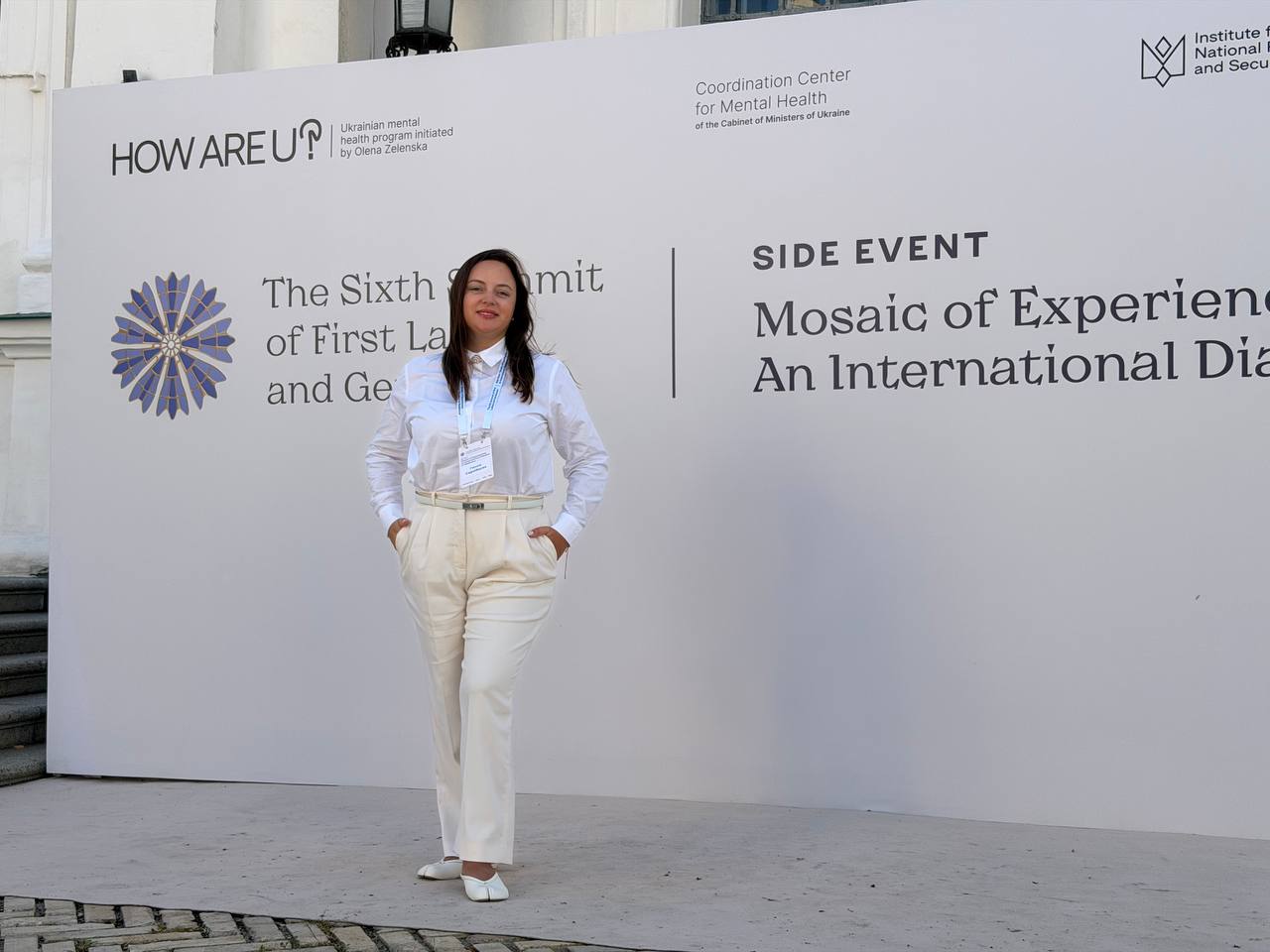
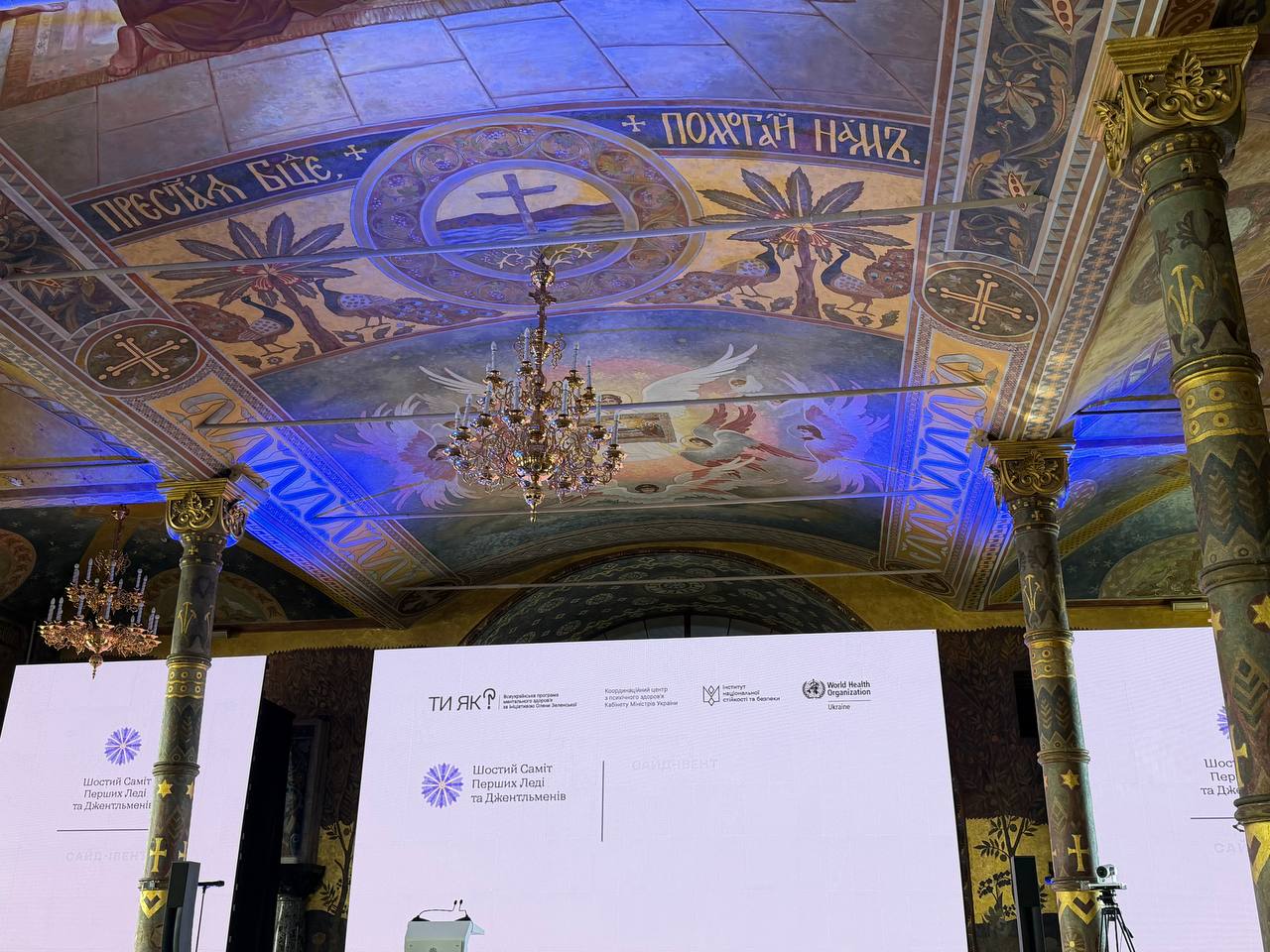
On 23-24 August 2026, Kyiv hosted a series of events dedicated to one of the defining questions of contemporary societies: how resilience can be understood and sustained in conditions of prolonged uncertainty and crisis.
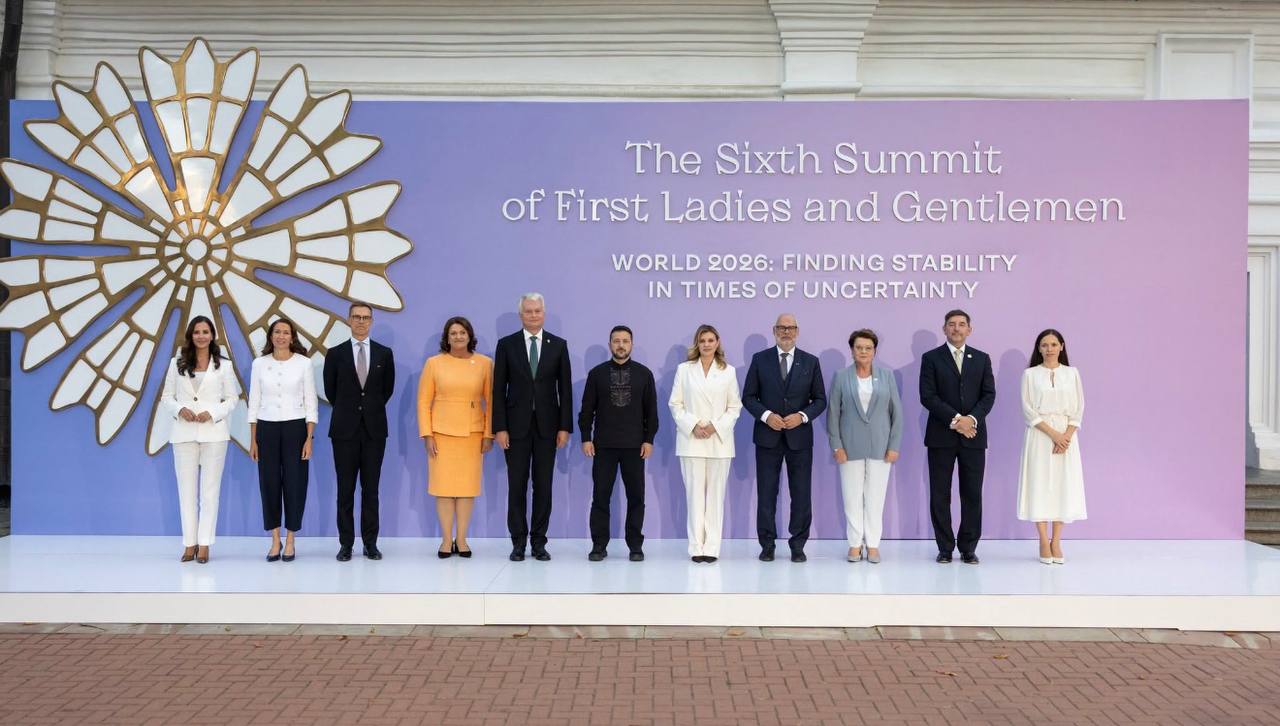
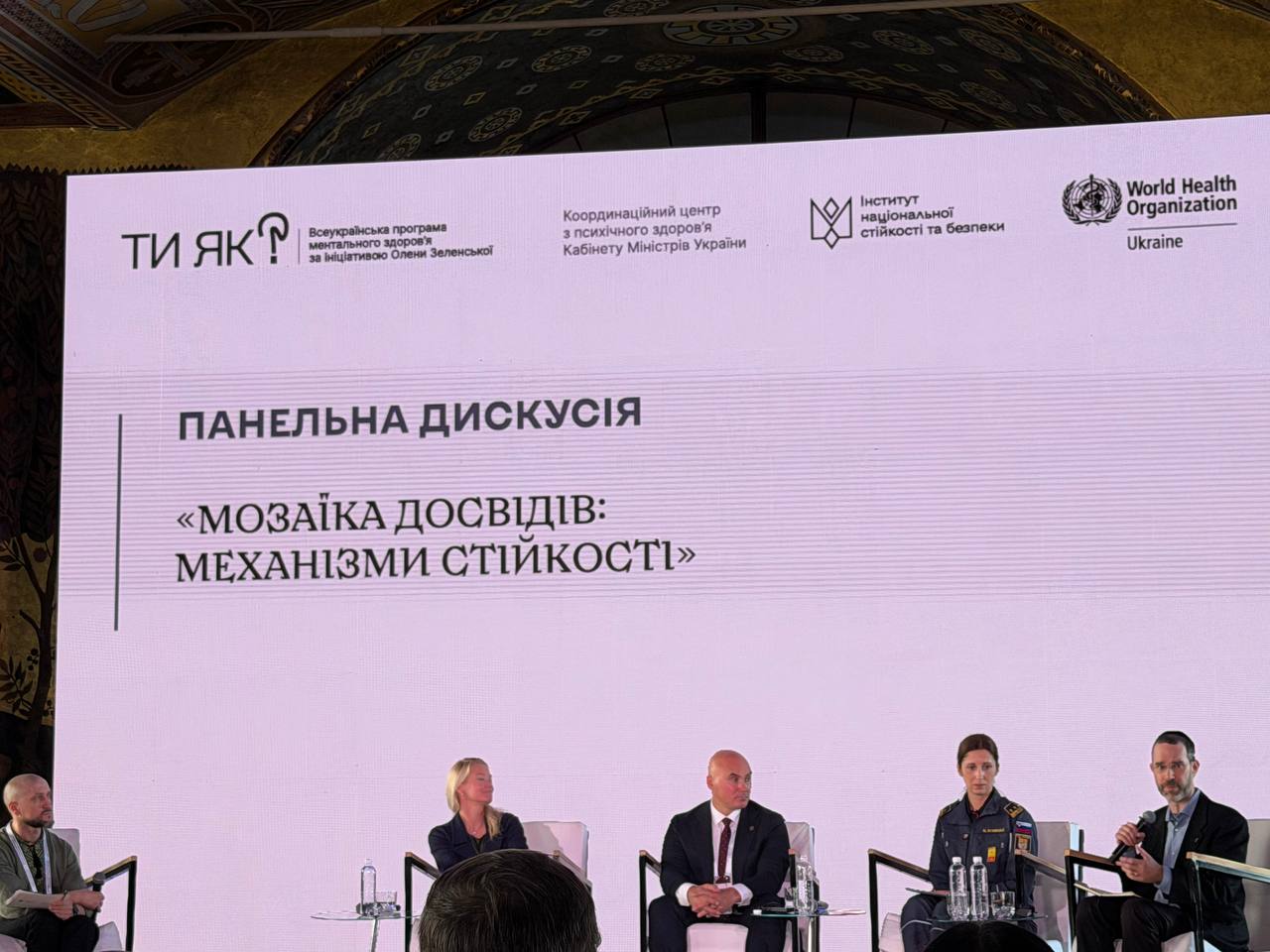
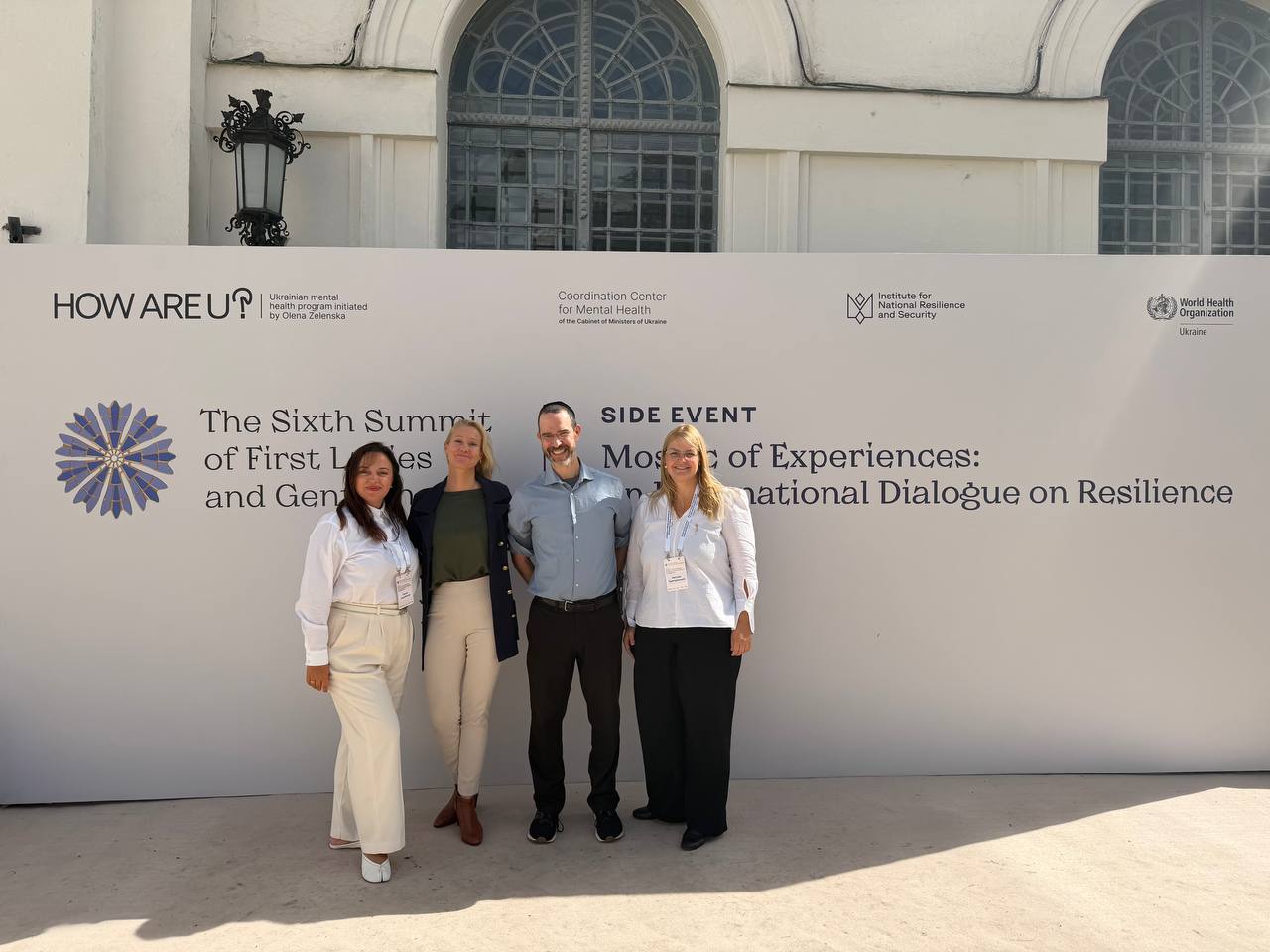
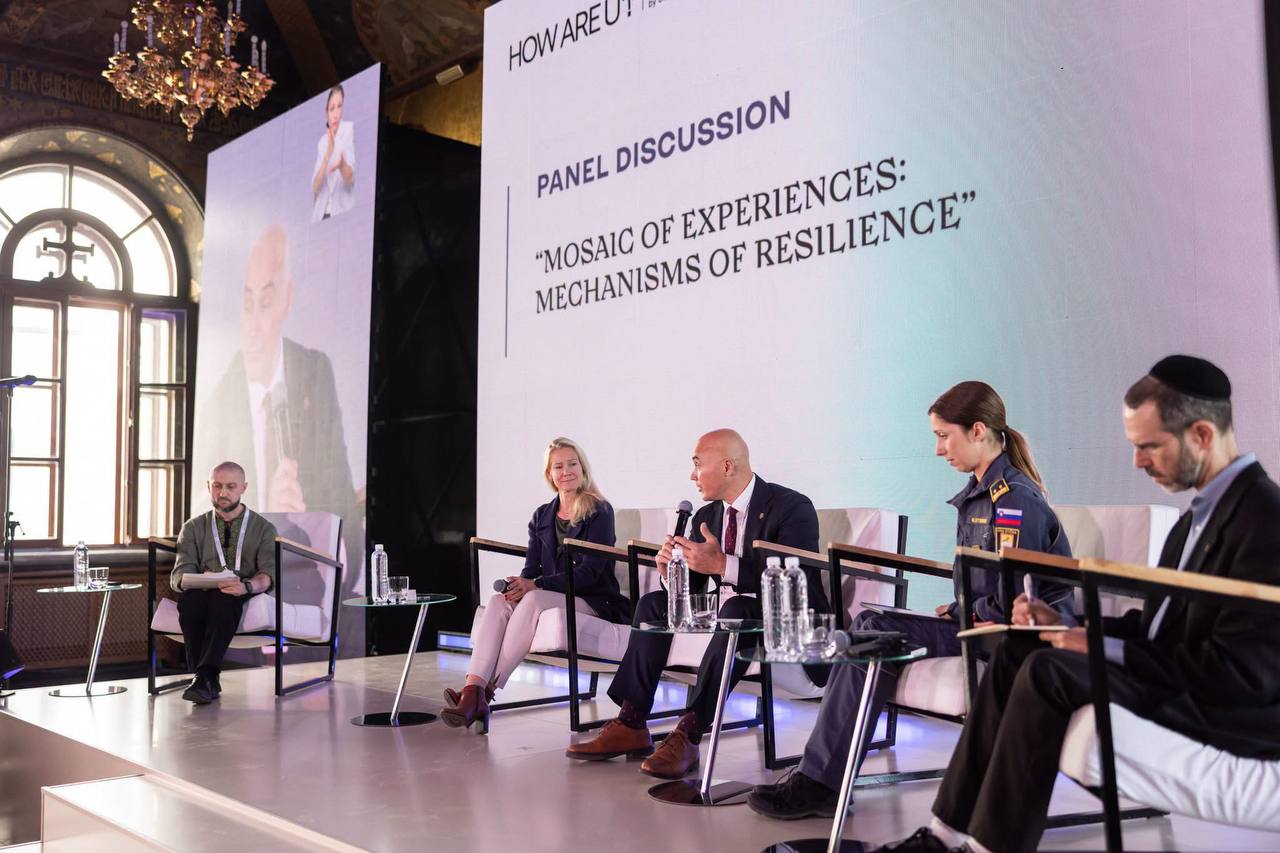
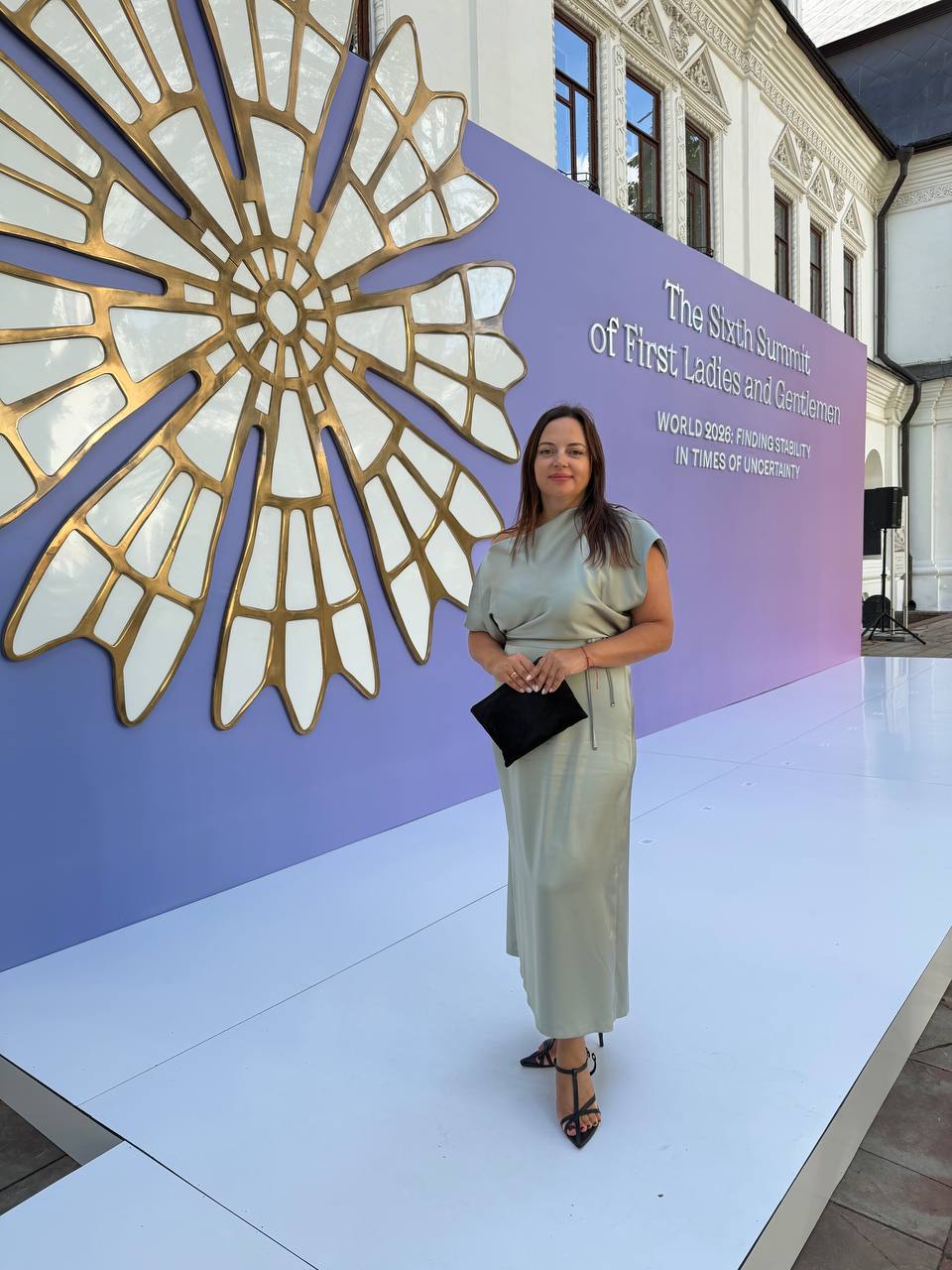
For the Open Dialogue Platform, the academic and expert conference “A Mosaic of Experiences”, held ahead of the VI Summit of First Ladies and Gentlemen “World-2026: Finding a Support in Times of Uncertainty,” was of particular significance.
For ODP, participation in these events continued our work at the intersection of law, institutional development, collective memory, and democratic resilience.
“A Mosaic of Experiences” offered an important perspective on resilience: not simply as the capacity of a society to withstand crisis, but as a process through which experience is accumulated, examined, shared, and transformed into knowledge.
The experiences of individuals, communities, institutions, and states acquire broader social value when they become the subject of reflection, research, and dialogue. Through this process, individual practices can develop into shared knowledge, while knowledge can provide a foundation for future social and institutional decisions.
From this perspective, resilience is a multidimensional phenomenon. It encompasses not only the ability to respond to crisis, but also the capacity to preserve social connections, sustain institutions, adapt to change, rebuild trust, learn from experience, and develop new forms of cooperation.
This is why resilience requires not only practical responses, but also a language, concepts, and scholarly approaches capable of articulating experience and making it available for further reflection.
Ganna Sarybaieva, Founder of the Open Dialogue Platform, took an active part in the conference and in the subsequent discussions on the international dimensions of societal resilience.
Her contribution was situated within a broader inquiry into how the experiences of societies facing profound crises can be transformed into knowledge, institutional practices, and long-term democratic capacity.
For the Open Dialogue Platform, this approach is fundamental: experience should not remain merely a memory or an immediate response to crisis. It can become a source of knowledge, an object of research, and a foundation for future practices.
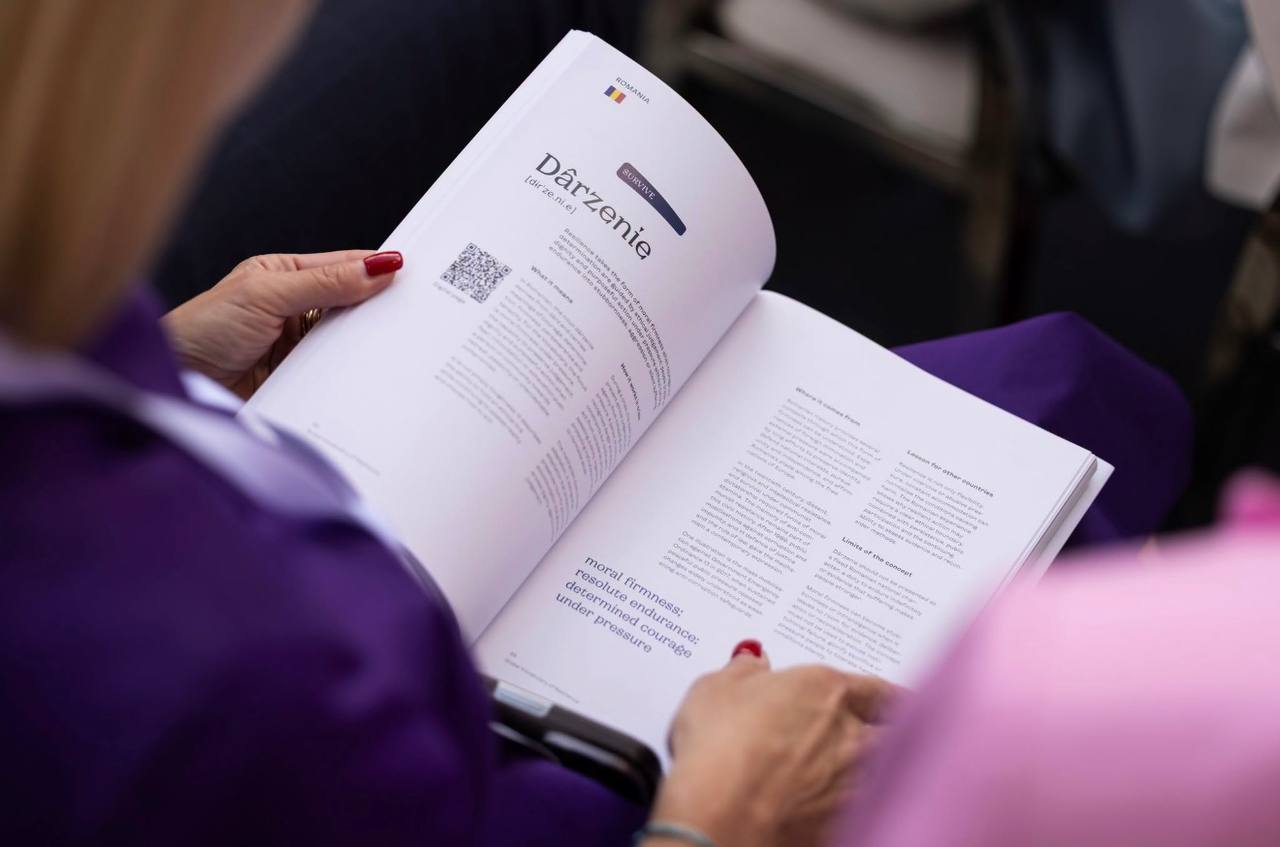
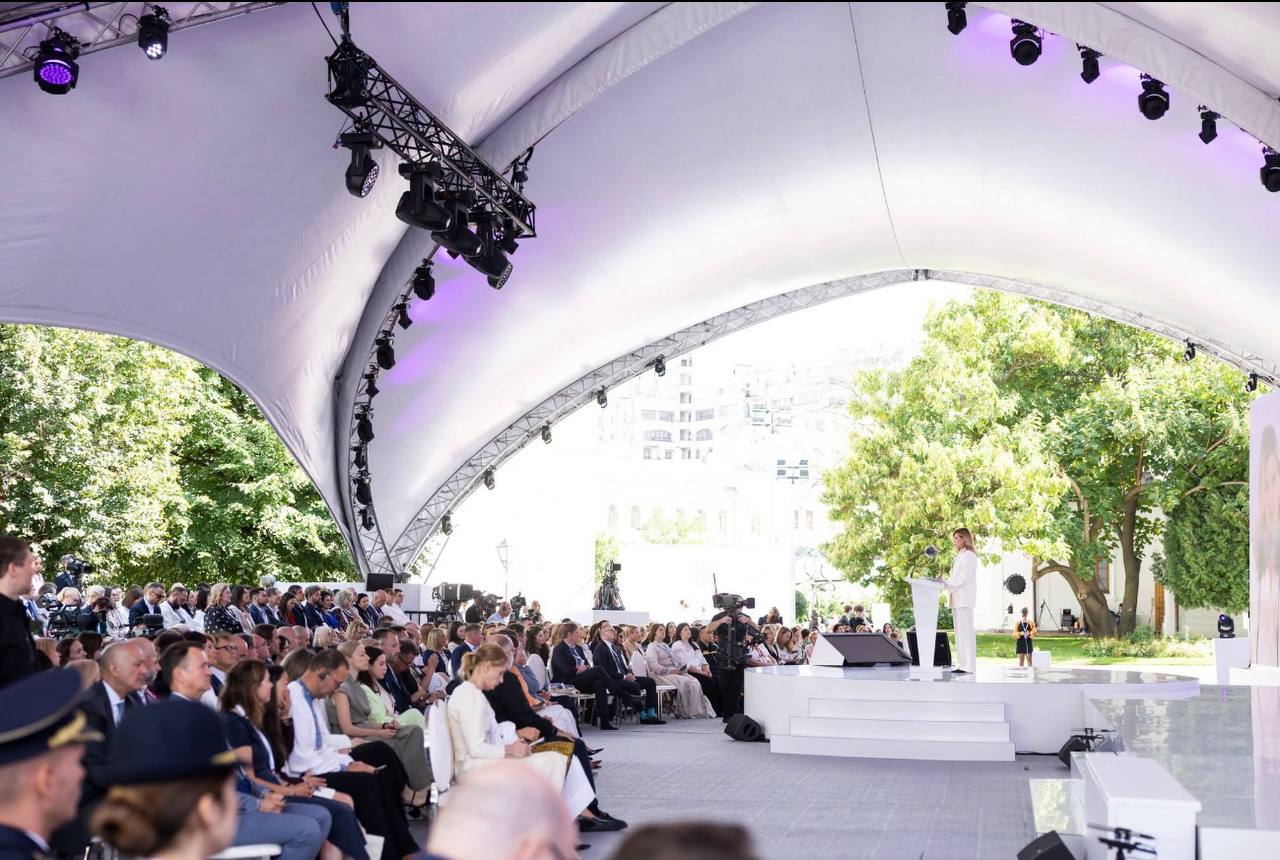
This discussion continued on 24 August at the VI Summit of First Ladies and Gentlemen with the presentation of the international publication Global Vocabulary of Resilience.
Bringing together experiences from 38 countries, the publication offers a conceptual map of resilience through concepts, social practices, institutional models, and cultural contexts.
Of particular significance for the Ukrainian context is the inclusion of the Ukrainian concept “Sofiinyist” (Софійність) - a concept that approaches resilience through the combination of the will to live, the capacity to act, and the wisdom gained through experience.
Ganna Sarybaieva also contributed to the preparation and authorship of the Global Vocabulary of Resilience, participating in the development of this shared international language of resilience.
For the Open Dialogue Platform, this contribution is significant not only as an opportunity to bring Ukrainian experience into an international conversation, but also as participation in a broader intellectual process: developing the concepts through which societies can speak to one another about crisis, recovery, solidarity, and the future.
Ukraine today represents a profound and distinctive experience of societal and institutional resilience. At the same time, it is important that this experience not remain confined to a national narrative or an immediate political context.
It needs to be studied, documented, conceptualised, and shared both within Ukrainian society and with the international academic and expert community.
This is where questions of law, institutions, culture, and collective memory intersect. Legal and social institutions do not exist outside human experience; memory shapes our understanding of the past while also influencing decisions about the future; and knowledge gained through crisis can shape the institutions that emerge afterwards.
Resilience should therefore be understood not only as a quality demonstrated by a society at a moment of crisis, but also as a long-term process of learning, adaptation, and institutional development.
“A Mosaic of Experiences” and the Global Vocabulary of Resilience demonstrate the importance of creating spaces in which different experiences can meet, be compared, and become the subject of shared reflection.
No society possesses ready-made answers to every challenge. Yet the experience of one society can become knowledge and a point of reference for another provided that it is shared through open dialogue and approached with critical reflection.
For the Open Dialogue Platform, dialogue among scholars, experts, civil society, and institutions is therefore not simply an additional element of resilience. It is one of the mechanisms through which resilience is understood, developed, and sustained.
ODP will continue to create spaces in which experience becomes knowledge, knowledge becomes dialogue, and dialogue becomes a foundation for a responsible future.




.svg)