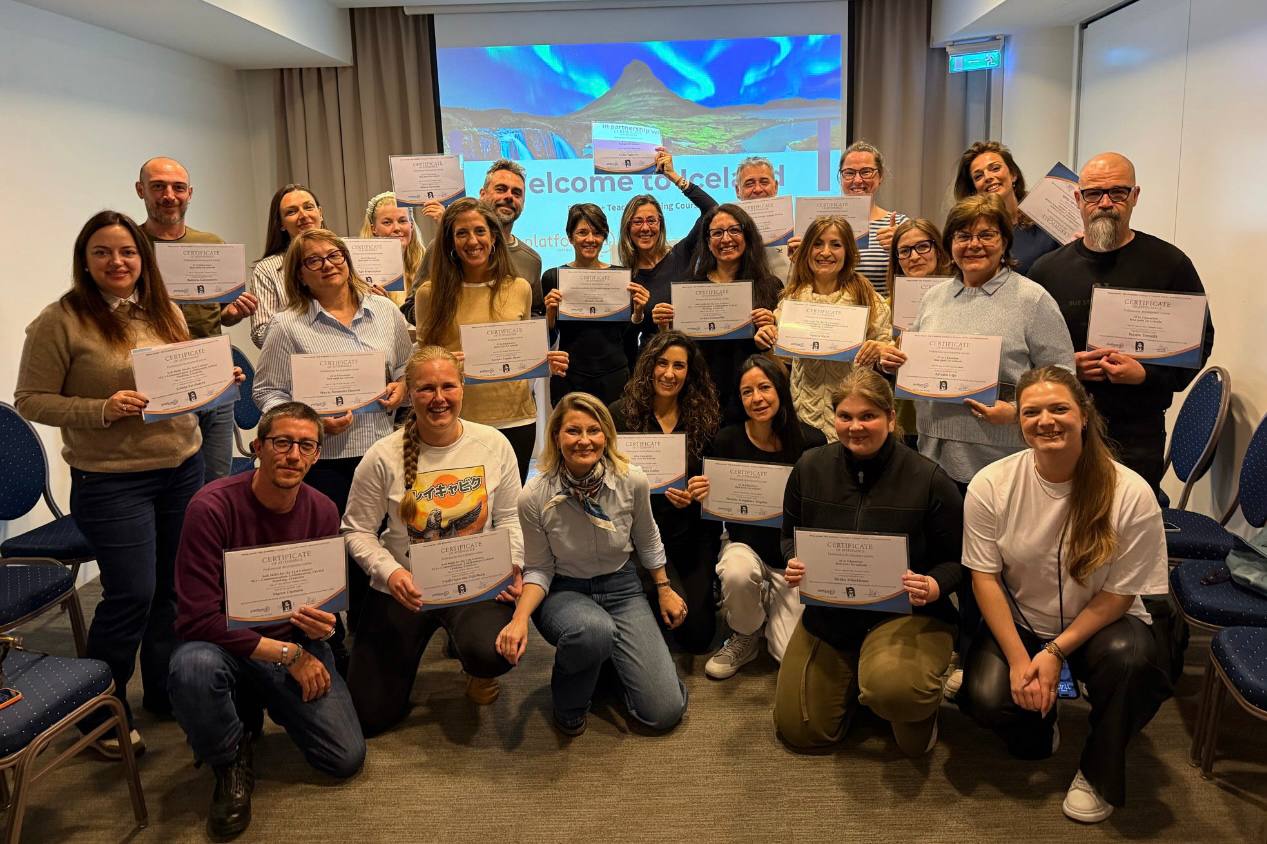
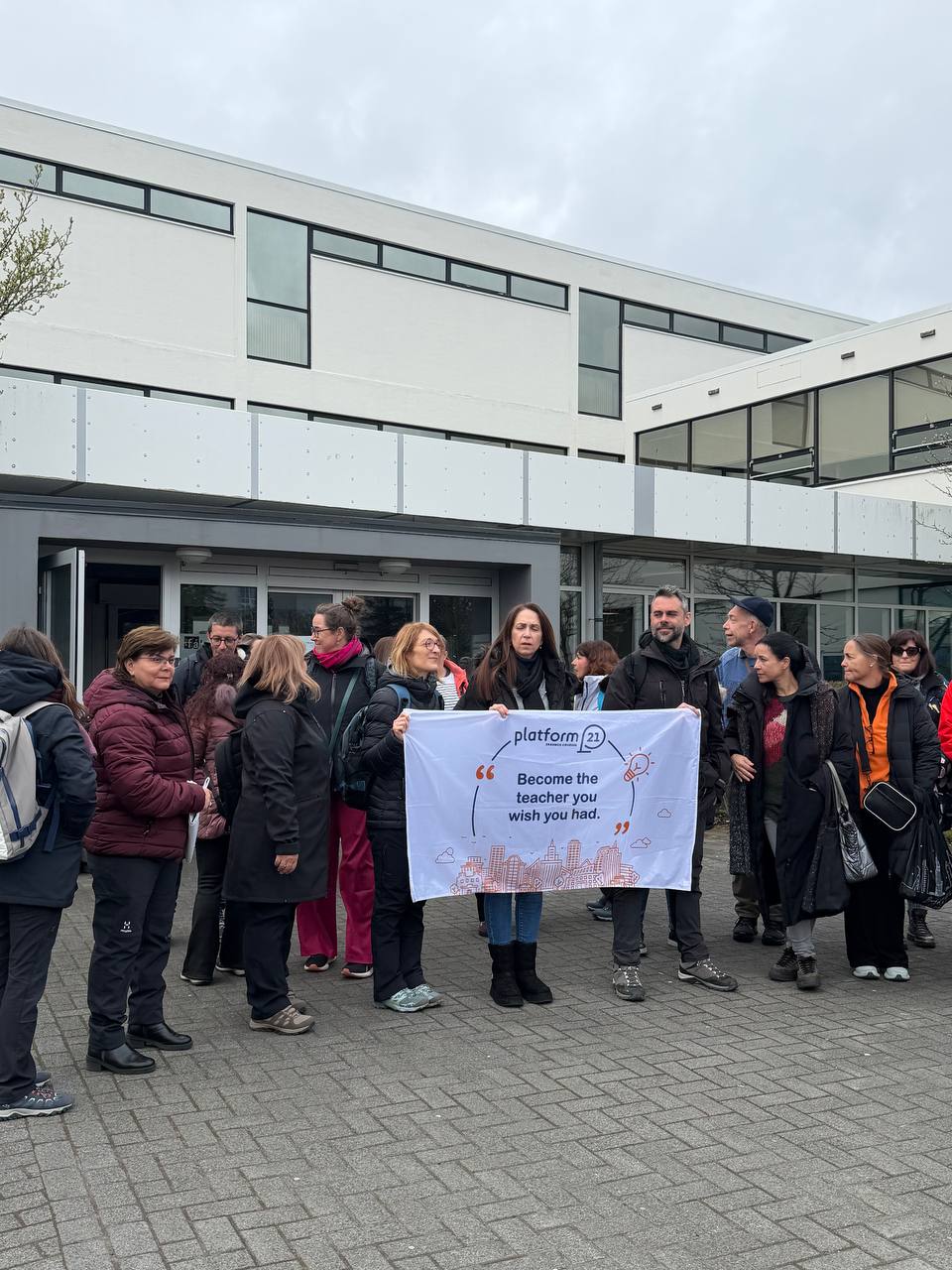
As part of an Erasmus+ training programme, I had the opportunity to spend several days in Iceland together with participants, trainers, and representatives of educational and civic initiatives from 12 countries. The programme brought together people with diverse professional and cultural backgrounds around shared themes: education, digital literacy, democratic resilience, critical thinking, and the challenges of today’s information environment.
Today, international educational platforms such as these have become far more than spaces for academic exchange. They create an environment for professional dialogue where shared visions for Europe’s future emerge — particularly in times of global instability, information crises, and rapid digital transformation.
The training programme focused on media literacy, the impact of digital technologies on society, safe information environments, youth engagement, and the role of education in shaping democratic culture. In a world where information has simultaneously become a resource, an instrument of influence, and a field of conflict, education increasingly determines societies’ resilience to manipulation, disinformation, and polarisation.
One of the most valuable aspects of the programme was the exchange of experiences among participants from different European countries. Despite differences in educational systems, political contexts, and societal challenges, many discussions revealed common concerns: how to teach critical thinking in the age of algorithms, how to preserve humanity in digital spaces, and how to build trust in societies where information noise often outweighs substance.
For Ukrainian participants, programmes of this kind carry particular significance. They not only allow Ukrainian experiences to become part of the broader European conversation, but also create opportunities for new partnerships, interdisciplinary initiatives, and long-term professional cooperation. Today, the Ukrainian experience forms an important part of Europe’s wider dialogue on democracy, resilience, human rights, and the role of civil society in times of crisis.
At the same time, Iceland itself became a separate experience — almost philosophical in its atmosphere.
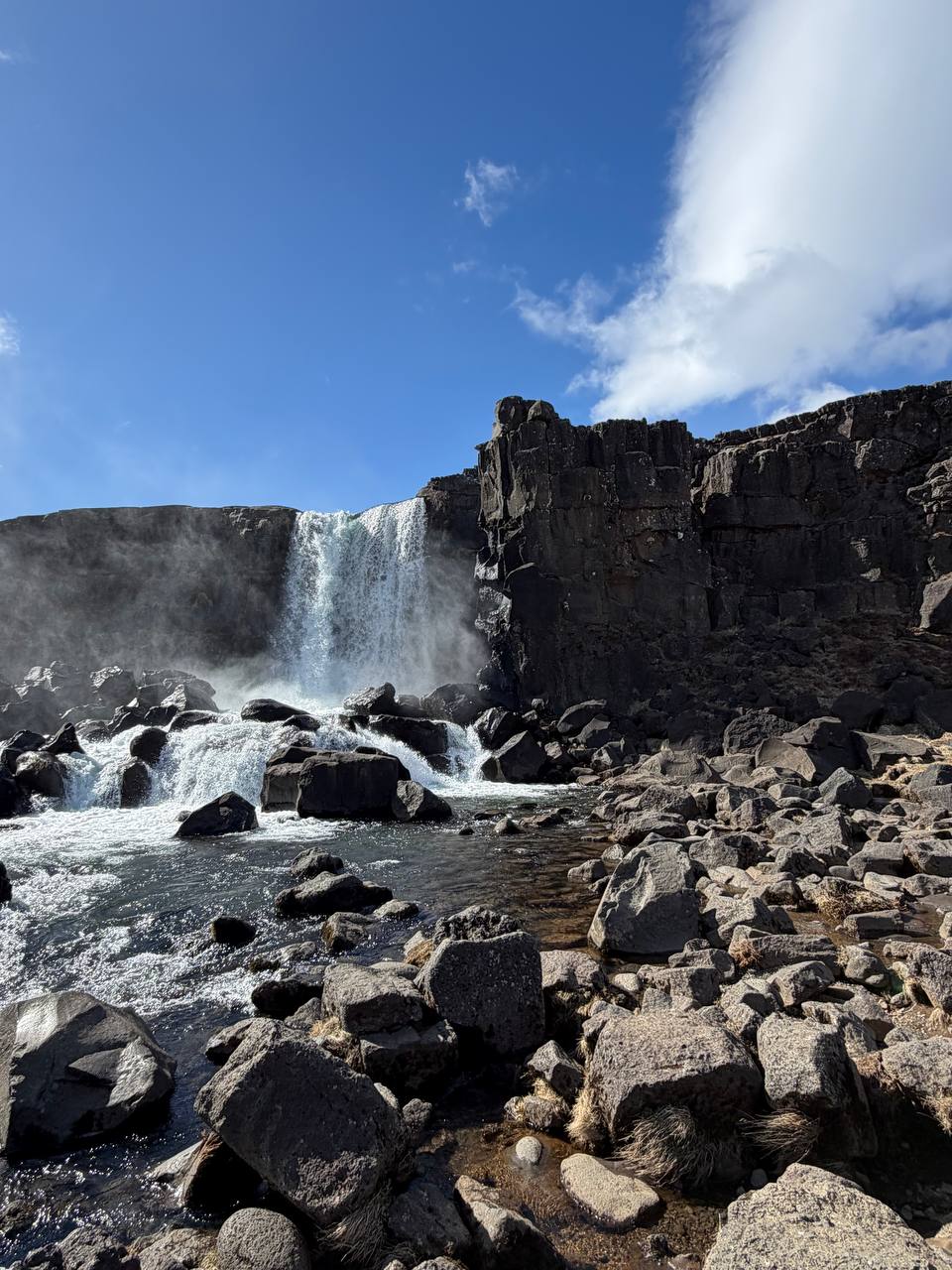
A country of volcanoes, lava fields, waterfalls, and the harsh ocean, Iceland feels like a place where nature constantly reminds us of the power of time, silence, and a world beyond human haste. In May, the landscape seems to exist in endless shades of grey: the sky, the stones, the waves, the mist. Only a few colourful houses scattered across the scenery create a sense of warmth and life.
Cold. Windy. Stunningly beautiful.
And at the same time — deeply calming. In places like this, internal noise gradually fades away, making room for new ideas, reflection, and attentiveness to the world around us.
Iceland turned out to be not only about nature, but also about a particular sense of slowness and inner balance. Conversations about the future, education, culture, and human connection feel different here. Even simple things — the ocean, the wind, a warm meal after a long day, or conversations after the training sessions — acquire unexpected depth.
Such experiences leave behind not only new contacts and knowledge, but also a changed perspective — helping us to see our own countries, professions, and the role of international cooperation within a broader European context in a new way.
And perhaps this is one of the greatest values of international educational programmes today: creating not only an exchange of knowledge, but also a space for trust, dialogue, and shared thinking about the future.

.svg)