Ganna Sarybaieva, Doctor of Science of Law, Associate Professor, Founder of the NGO Open Dialogue Platform
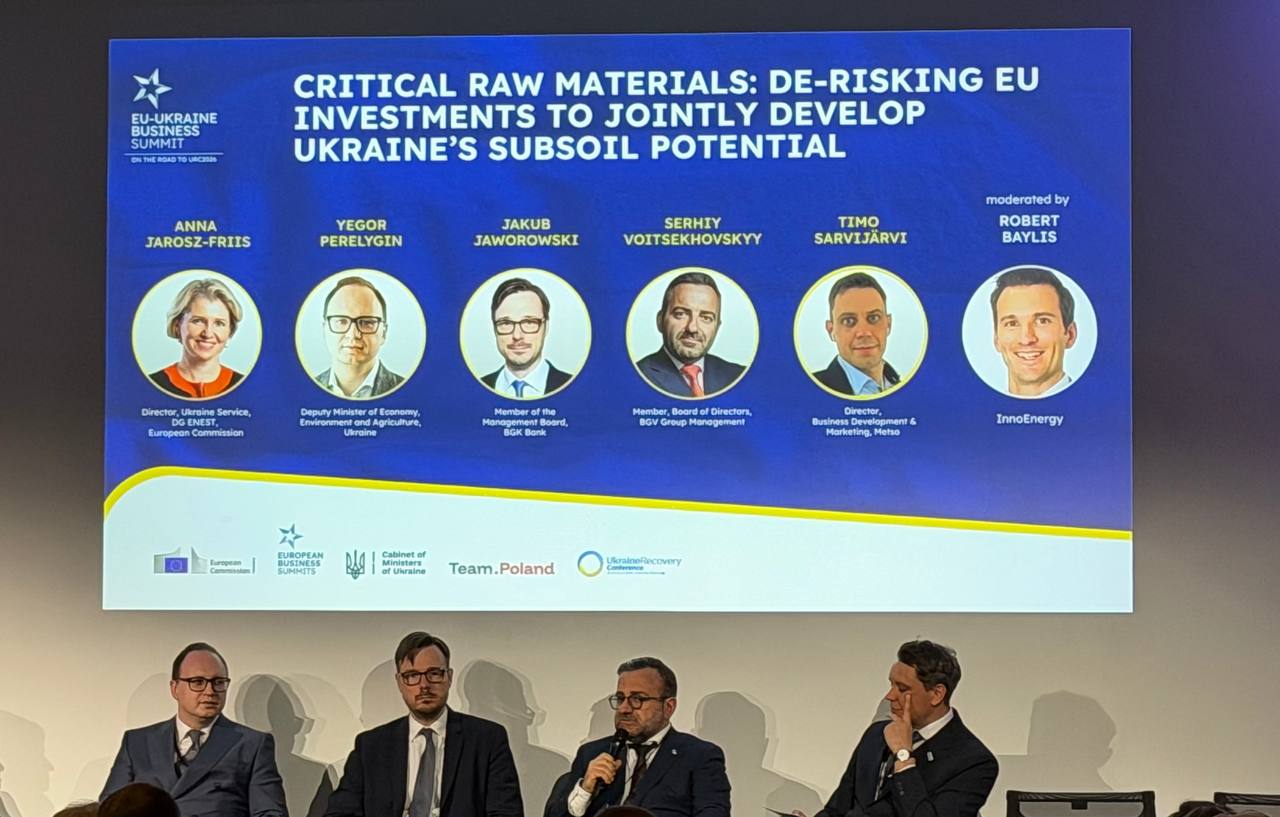
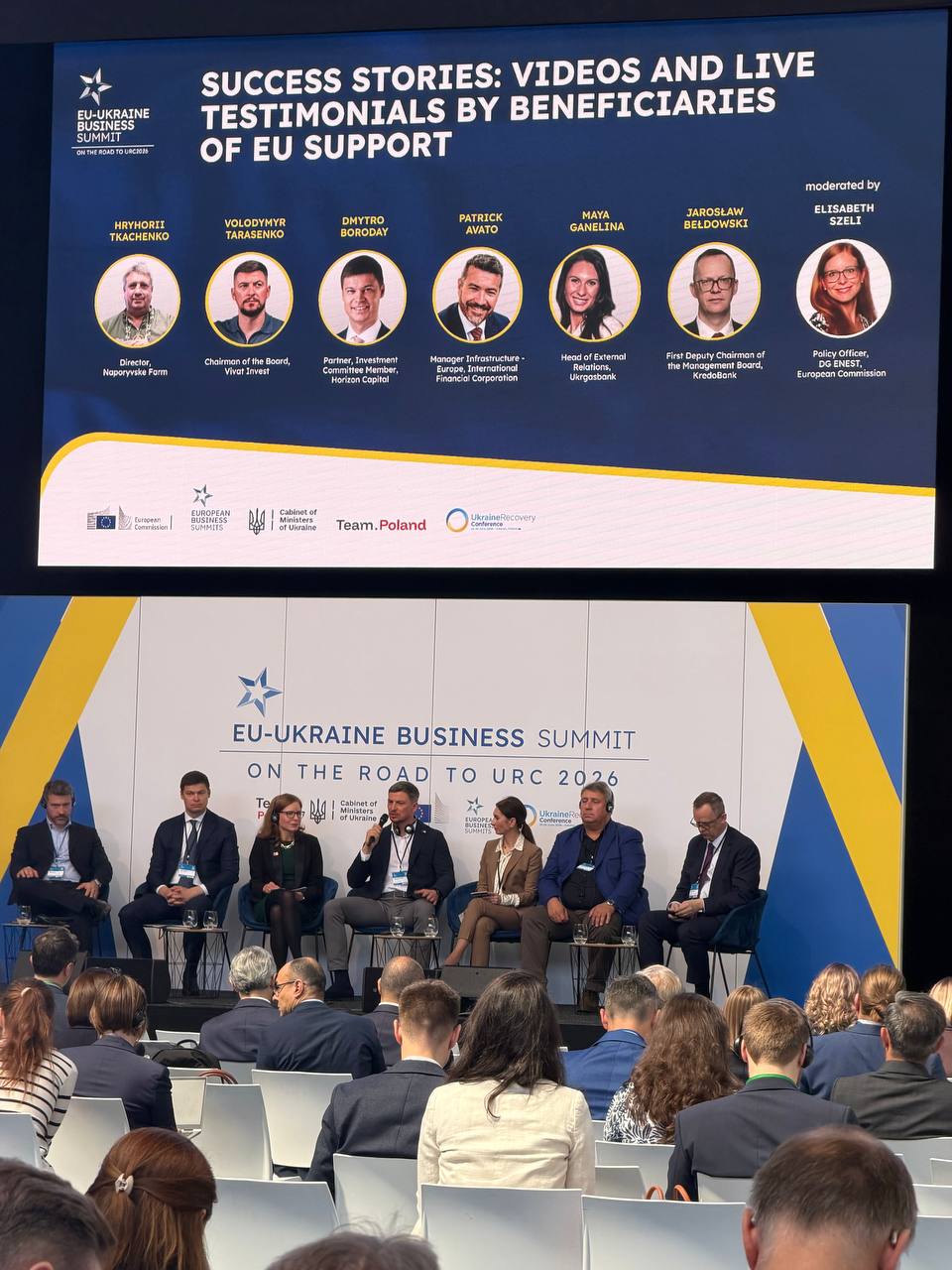
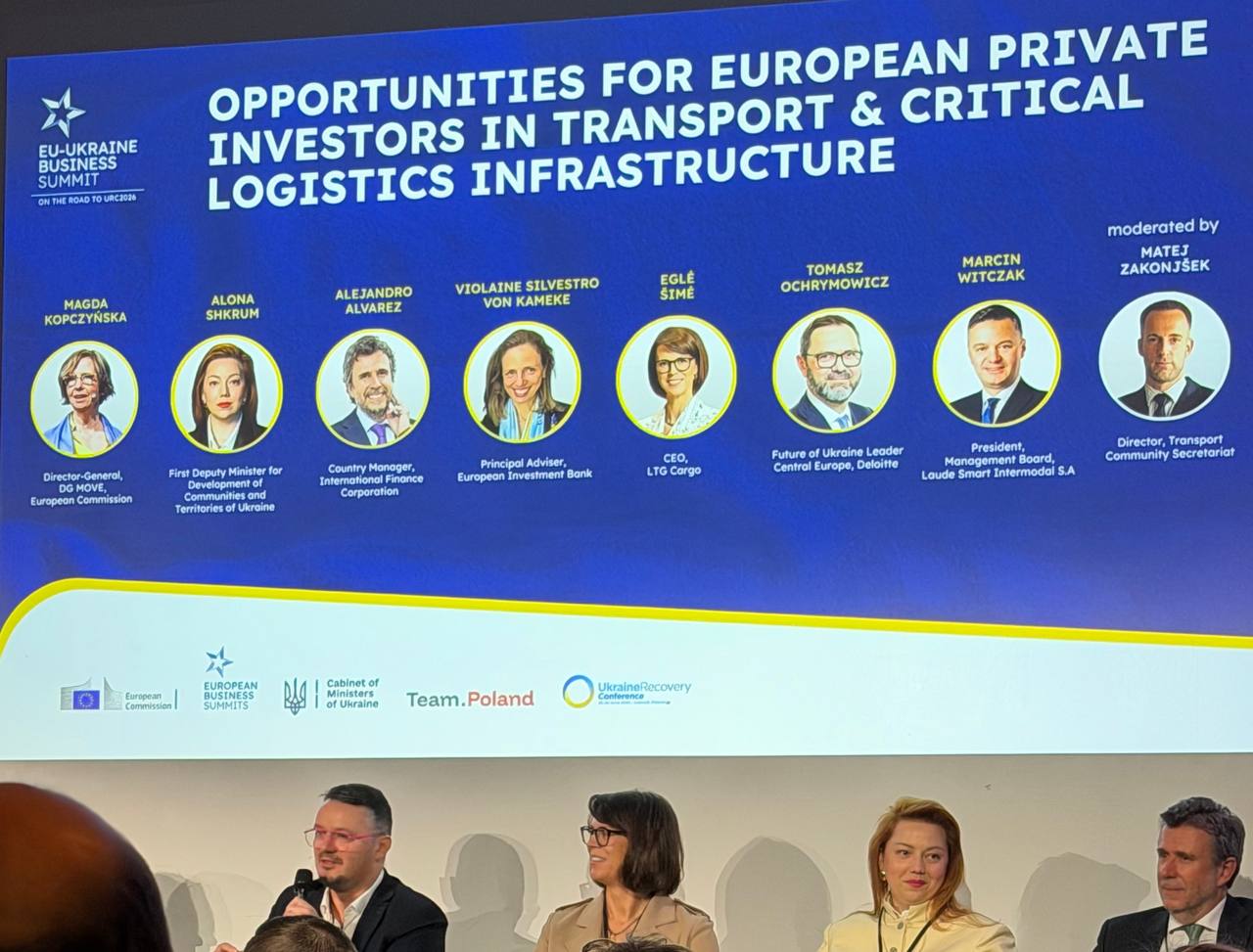
Ukraine–EU: From Financial Support to Structural Integration (Reflections on the EU–Ukraine Business Summit, Brussels, 22–23 April 2026)
The discussions held in Brussels indicate a structural shift in the European Union’s approach to Ukraine: from short-term support towards a long-term model of economic and security integration.
The Ukraine Facility, introduced by the European Commission, remains the key financial instrument. Its architecture — combining grants, loans, and mechanisms for mobilising private capital — reflects a transition from aid-based logic to a model of managed reconstruction with elements of market integration.
At the same time, public discourse reveals an expansion of financial expectations, including references to significantly larger figures that have not yet been institutionally formalised and therefore require cautious interpretation.
One of the central areas of focus is the development of joint defence production. Conceptually, this marks a transition:
What is informally described as an “industrial Ramstein” should be understood as a political metaphor reflecting the intention to build a shared defence-industrial space, rather than as an institutionalised mechanism.
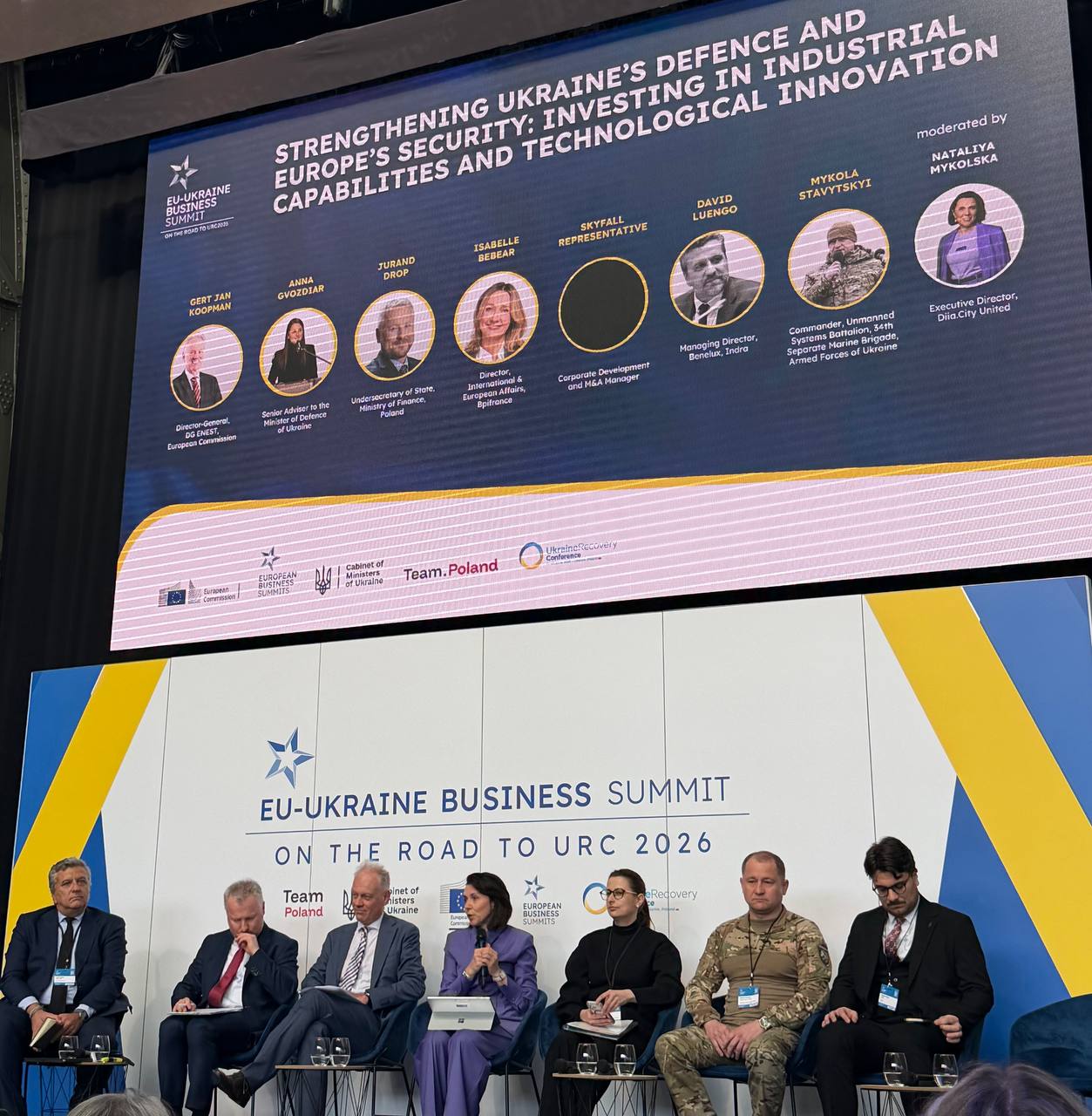
A particular emphasis is placed on the digital integration of infrastructures — from logistics to security systems. The involvement of companies such as Indra demonstrates a growing interest in developing joint technological solutions within the EU–Ukraine framework, including digital and analytical platforms.
The expansion of cooperation between Antonov and European partners reflects a broader process of integrating Ukrainian enterprises into European value chains. At the same time, claims regarding their “formalised integration” into joint structures appear premature and require further clarification.
Significant attention is also given to:
This indicates a gradual shift from political declarations to concrete financial and regulatory instruments capable of attracting private investment.
The current stage of EU–Ukraine relations is defined not so much by the scale of announced funding, but by a qualitative transformation in approach: Ukraine is increasingly perceived not as an object of reconstruction, but as an active participant in shaping Europe’s future economic and security architecture.
The key challenge lies in maintaining a balance between political mobilisation and institutional precision — particularly with regard to financial commitments and the status of emerging initiatives.

.svg)